

Veneers
Dental Veneers in St. George, Utah
Veneers are thin, tooth-colored restorations placed over the front surface of selected teeth to improve their appearance. They can be used to address chips, worn edges, discoloration, small gaps, uneven tooth shapes, and other cosmetic concerns that may not be fully corrected with whitening or minor bonding.
At Riverside Dental Care, veneer treatment is planned around the smile you already have. The goal is not to make every tooth look identical or unnaturally white. It is to create a result that fits your face, your bite, your neighboring teeth, and the amount of change you actually want.
What Are Dental Veneers?
Veneers are custom-made for the person receiving them. That customization matters because the final result depends on much more than choosing a white shade. Tooth proportions, facial features, smile line, gum position, bite, and the appearance of neighboring teeth all affect the design.
Healthy teeth and gums are important before veneer treatment. Active decay, untreated gum disease, significant cracks, or other structural problems should be addressed first rather than hidden beneath a cosmetic restoration.
What Can Veneers Improve?
Chipped teeth
Worn or shortened teeth
Stubborn discoloration
Small gaps between teeth
Uneven or misshapen teeth
Minor alignment concerns
Old cosmetic dental work
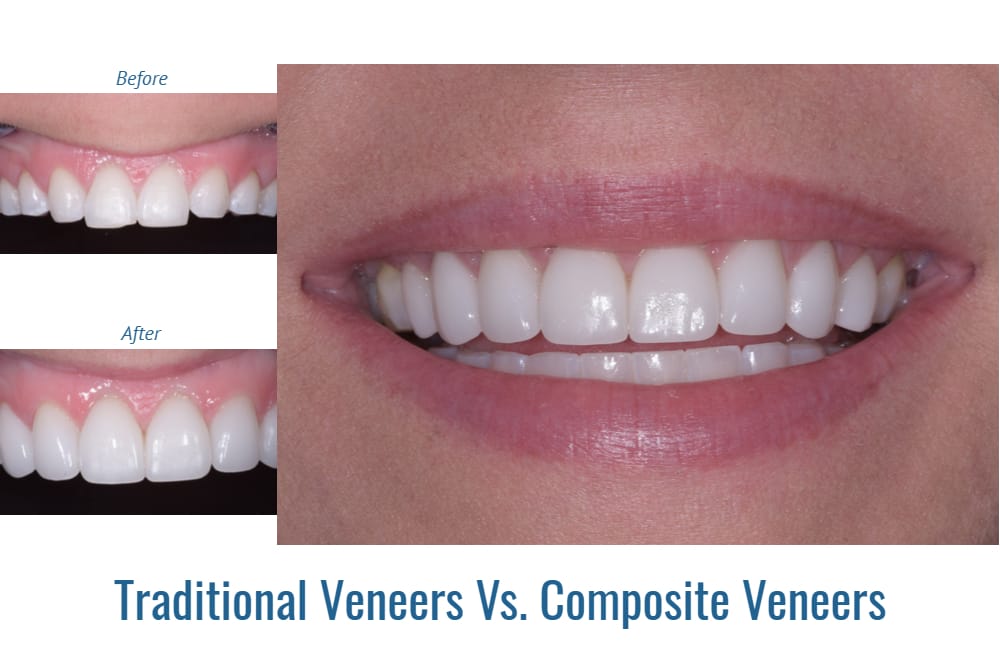
Porcelain Veneers and Composite Bonding
Porcelain veneers are custom restorations made outside the mouth and then bonded to the prepared tooth. They are known for their ability to reproduce the color, translucency, and surface characteristics of natural enamel.
Porcelain is generally more stain-resistant than composite resin and can be a strong option when several front teeth are being redesigned together.
Porcelain veneer treatment usually requires more than one visit because the teeth need to be prepared, detailed records are made, and the final restorations are fabricated before placement.
Different ceramic techniques may be used depending on the case. Feldspathic porcelain, for example, is a highly esthetic layered ceramic technique that can provide excellent control over color and translucency in selected situations.
Best for: Patients who want a durable, highly esthetic change in tooth shape, color, or proportions and are comfortable with a custom lab-made restoration.
Composite bonding uses tooth-colored resin that is applied directly to the tooth and shaped by the dentist. It can be used to repair chips, close small spaces, change tooth contours, and make modest cosmetic improvements.
Bonding is often less invasive and can sometimes be completed in a single visit. It also tends to cost less than porcelain veneers.
Composite resin is easier to repair than porcelain if a small area chips, but it can stain and wear more readily over time.
For smaller cosmetic changes, bonding may be all that is needed. For larger smile redesigns or when long-term color stability is especially important, porcelain may provide advantages.
Best for: Smaller cosmetic corrections, selected chips and gaps, and patients who want a more conservative or lower-cost approach.
Veneers vs. Bonding: Which Is Better?
Bonding is often the more conservative choice for one or two small imperfections. Veneers may make more sense when several teeth need coordinated changes in color, shape, length, or proportion.
During a cosmetic consultation, we can show you what each approach could realistically accomplish before you decide.

Veneers vs. Crowns: What Is the Difference?

A veneer primarily covers the visible front surface of a tooth and is usually chosen for cosmetic improvement when the tooth is structurally healthy enough to support it.
A crown covers much more of the tooth and is generally used when a tooth also needs protection because of a large filling, significant fracture, extensive decay, or other structural weakness.
If a tooth needs the strength of a crown, placing a veneer simply because it is more cosmetic would not be the right treatment.
Am I a Good Candidate for Veneers?
Before treatment, we look for cavities, gum inflammation, cracks, severe wear, bite problems, and habits such as grinding or clenching that could increase the risk of veneer damage.
The most important part of a veneer consultation is deciding whether veneers are actually the right tool for the result you want.
How Many Veneers Do I Need?
The number depends on which teeth show when you smile, the color and shape of the untreated teeth, whether whitening is part of the plan, and how much symmetry you want.
What Happens When You Get Porcelain Veneers?
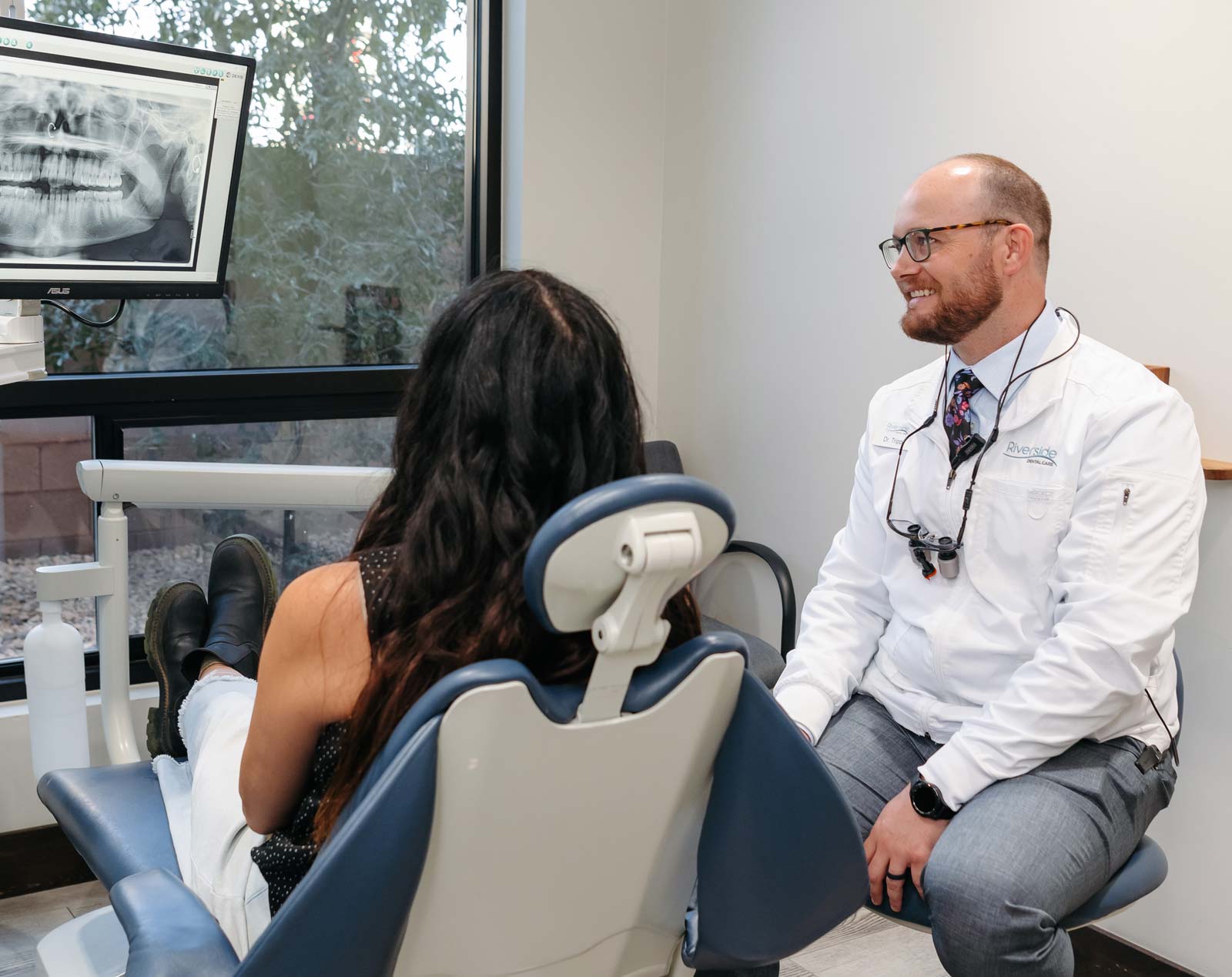
We talk about what you want to change, examine the teeth and gums, evaluate the bite, and determine whether veneers are the right treatment.

Photographs, scans or impressions, shade information, and other records may be used to plan the size, shape, and position of the veneers.
A small amount of enamel may be reshaped so the veneers can fit naturally without making the teeth look bulky. The amount of preparation varies by case.
Detailed records are sent for fabrication of the final ceramic restorations. Temporary veneers may be used while the final veneers are being made, depending on the treatment plan.
Before final bonding, we evaluate the fit, shape, color, contacts, and overall appearance.
The veneers are bonded to the teeth, excess material is removed, and the bite is checked and adjusted as needed.
We recheck the gums, bite, and comfort after you have had time to use the new veneers in everyday life.
Do Veneers Require Shaving Down Your Teeth?
Some cases require very little preparation. Others need more reshaping to correct color, position, or bulk. Because enamel may be removed, porcelain veneers should generally be considered a long-term commitment rather than a completely reversible cosmetic treatment.
Composite bonding can sometimes be more conservative because resin can often be added with minimal tooth reduction.

What Should I Expect After Veneers?
The bite should feel comfortable and the veneers should not feel bulky or interfere with normal speech. If something feels high, catches when you bite, or continues to bother you, contact our office so it can be evaluated.
How Long Do Veneers Last?

Porcelain veneers generally resist staining and wear better than direct composite, while composite is easier to repair if a small area chips. The longevity of either treatment is affected by bite forces, grinding or clenching, oral hygiene, gum health, habits, and how much natural tooth supports the restoration.
Rather than promising a fixed number of years, we recommend planning for long-term maintenance and understanding that any dental restoration may eventually need repair or replacement.

How to Care for Veneers
Brush twice daily and floss around veneered teeth just as you would around natural teeth.
Keep regular dental cleanings and exams so the gums, bite, and veneer margins can be monitored.
Avoid using your teeth to open packages or bite hard non-food objects.
Use caution with ice, hard candies, and other foods that can chip natural teeth and restorations.
If you grind or clench, ask whether a night guard is appropriate.
Remember that the natural tooth can still develop decay at exposed areas or along restoration margins.
Should I Whiten My Teeth Before Getting Veneers?
Porcelain and composite restorations do not whiten the same way natural enamel does. Planning the shade in the correct order helps the veneers blend with the teeth that will remain untreated.
Natural-Looking Veneers Start With the Right Design
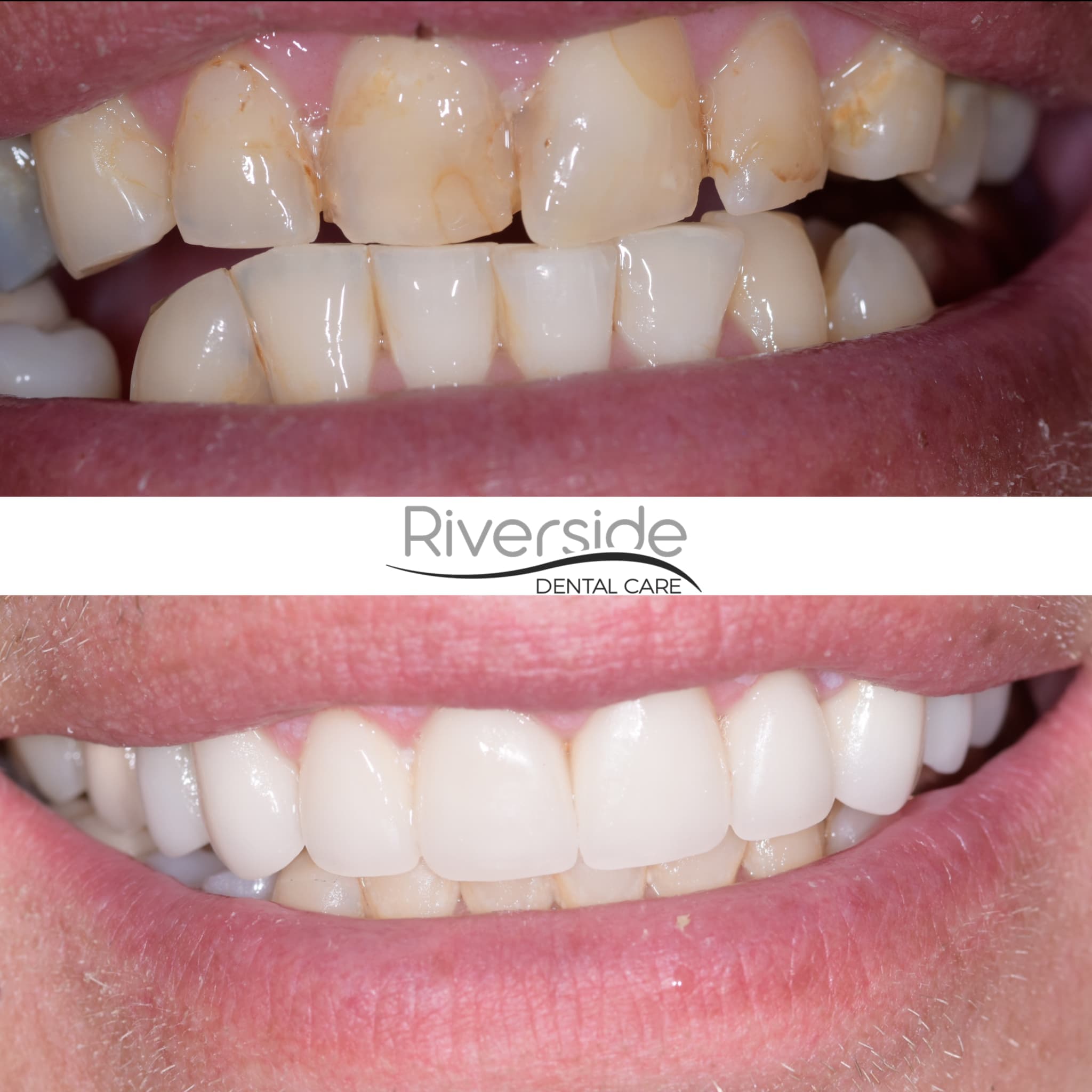
Riverside Dental Care's Smile Gallery includes real cases using crowns, veneers, bonding, implants, whitening, and other cosmetic treatment. One featured case combines crowns and veneers to complete a patient's smile.
Seeing real treatment results can be useful because it shows the difference between cosmetic dentistry that simply looks 'done' and dentistry designed to fit the individual patient.
See Riverside Dental Care's Smile Gallery

How Much Do Veneers Cost in St. George?
A cosmetic consultation gives us the information needed to tell you how many teeth actually need treatment and provide a personalized estimate before you move forward.
Does Dental Insurance Cover Veneers?
We can review your available benefits before treatment.
You can receive a written treatment estimate before moving forward.
Financing options may be available for cosmetic treatment.
Insurance coverage depends on the exact treatment and your individual plan.
Common Questions
Veneer FAQs
Veneers at Riverside Dental Care
Riverside Dental Care has served the St. George area for more than 20 years and provides veneers alongside crowns, bonding, whitening, dental implants, restorative care, and sedation dentistry.
That range matters because veneers are not always the only answer. We can compare whitening, bonding, orthodontic treatment, crowns, and veneers before recommending a cosmetic plan.
Our Smile Gallery includes real Riverside cosmetic cases, including treatment that combines crowns and veneers, so patients can see examples of the practice's work rather than relying only on stock photography.
About Us
Trusted by St. George Families for Generations
" If you're dealing with a toothache, a broken or knocked-out tooth, swelling, or another urgent dental problem, call us right away and we'll help you figure out the next step. With extended weekday hours and two locations across the St. George area, Riverside Dental Care is built to help quickly when it matters most. "— Longtime St. George Patient
" #2 If you're dealing with a toothache, a broken or knocked-out tooth, swelling, or another urgent dental problem, call us right away and we'll help you figure out the next step. With extended weekday hours and two locations across the St. George area, Riverside Dental Care is built to help quickly when it matters most. "— Longtime St. George Patient
" #3 If you're dealing with a toothache, a broken or knocked-out tooth, swelling, or another urgent dental problem, call us right away and we'll help you figure out the next step. With extended weekday hours and two locations across the St. George area, Riverside Dental Care is built to help quickly when it matters most. "— Longtime St. George Patient
" #4 If you're dealing with a toothache, a broken or knocked-out tooth, swelling, or another urgent dental problem, call us right away and we'll help you figure out the next step. With extended weekday hours and two locations across the St. George area, Riverside Dental Care is built to help quickly when it matters most. "— Longtime St. George Patient
Our Locations
Two Convenient St. George-Area Locations
Hours

Hours
Find Out What Veneers Could Change About Your Smile
