

Periodontal Disease
Gum Disease & Periodontal Treatment in St. George, Utah
Periodontal disease, often called gum disease, affects the gums and the bone that support your teeth. It can begin quietly with redness or bleeding and progress over time to deeper periodontal pockets, gum recession, bone loss, loose teeth, and eventually tooth loss if it is not treated.
At Riverside Dental Care, our dentists and hygienists routinely evaluate gum health as part of comprehensive dental care. We measure periodontal pockets, look for bleeding and recession, review bone levels on dental X-rays, and recommend treatment based on what is actually happening in your mouth.
If you have been told you need a “deep cleaning,” have noticed bleeding gums or persistent bad breath, or have not had your gums evaluated in a while, we can help you understand what stage you are in and what the next step should be.
What Is Periodontal Disease?
Plaque is a sticky film of bacteria that continually forms on teeth. When plaque is not removed effectively, it can harden into tartar, also called calculus. Tartar cannot be brushed away at home and has to be removed professionally.
Gum disease is common. Current CDC information estimates that about 42% of U.S. adults age 30 and older have some level of periodontitis. The important part is not the statistic — it is catching the disease early enough to limit further damage.
Gingivitis vs. Periodontitis
Gingivitis can often be reversed with improved daily plaque control and professional dental care.
Signs You May Have Gum Disease
Bleeding gums
Red, swollen, or tender gums
Persistent bad breath
Gum recession
Deep periodontal pockets
Loose or shifting teeth
Pain or difficulty chewing
A change in your bite or denture fit
What Causes Gum Disease — and What Raises Your Risk?
However, not everyone responds to plaque in exactly the same way. Certain health conditions, habits, medications, and inherited factors can raise the risk of developing more severe disease or make periodontal treatment more difficult.
Smoking or tobacco use
Diabetes
Home-care habits
Genetics
Dry mouth and certain medications
Grinding, clenching, or bite problems
Age and other health factors
How We Diagnose Periodontal Disease
Your hygienist or dentist may use a small periodontal probe to measure the spaces around your teeth. Healthy pockets are typically shallow. Deeper measurements, bleeding, recession, tooth mobility, and bone loss on X-rays can indicate periodontal disease.
We also review your health history and risk factors because smoking, diabetes, medications, and other conditions can affect periodontal health and treatment planning.
Scaling and Root Planing: The “Deep Cleaning”
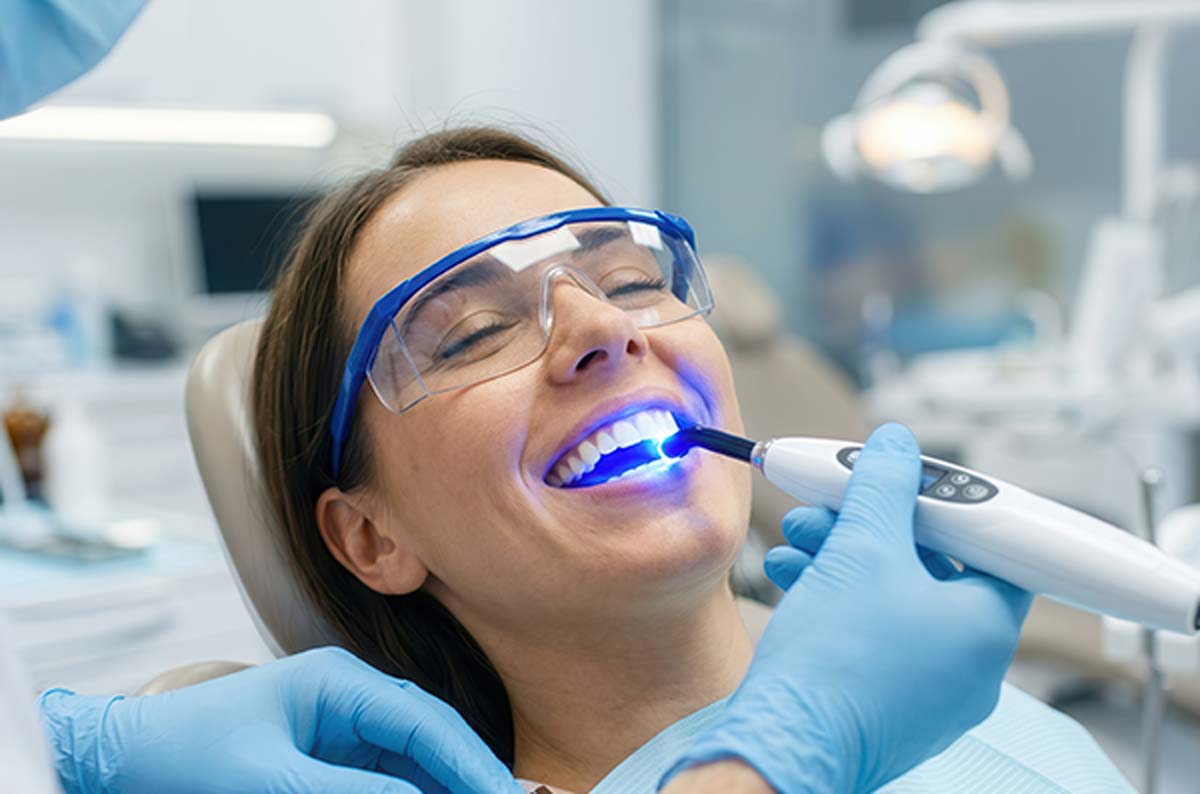
Scaling removes plaque and hardened tartar from above and below the gumline. Root planing cleans and smooths contaminated root surfaces so the gum tissue can heal more closely around the tooth and the bacterial load is reduced.
Treatment may be completed in sections of the mouth and local anesthetic can be used for comfort. The exact plan depends on how many areas are affected and how deep the periodontal pockets are.
After treatment, we reassess the gums to see how the tissues responded and determine the right maintenance interval.
Routine Cleaning vs. Deep Cleaning: What Is the Difference?
A deep cleaning is treatment for active periodontal disease. It focuses on deposits and bacterial contamination deeper below the gums and along root surfaces where a routine cleaning cannot adequately treat the problem.
What Happens After Periodontal Treatment?
After scaling and root planing, we monitor pocket depths, bleeding, gum inflammation, and home-care effectiveness. Depending on your periodontal condition, maintenance visits may be recommended every 3, 4, or 6 months instead of the interval used for routine preventive cleanings.
Periodontal maintenance appointments include reassessment and professional cleaning above and below the gumline in the areas that need ongoing management. Your interval can change over time depending on how stable your gums remain.
What If Gum Disease Is More Advanced?
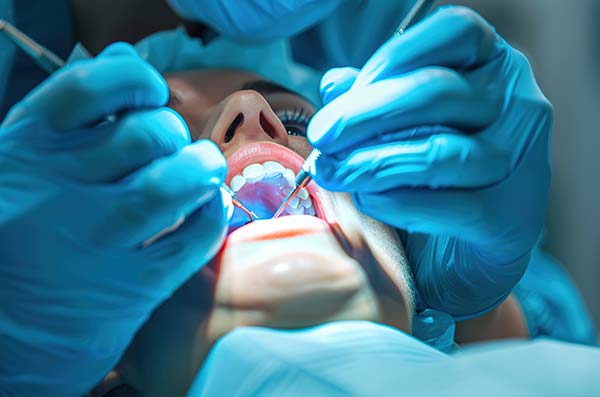
The gum tissue is carefully moved so deeper root surfaces and affected areas can be accessed and cleaned.

Grafting can be used in selected areas where recession has exposed root surfaces or there is inadequate gum tissue.
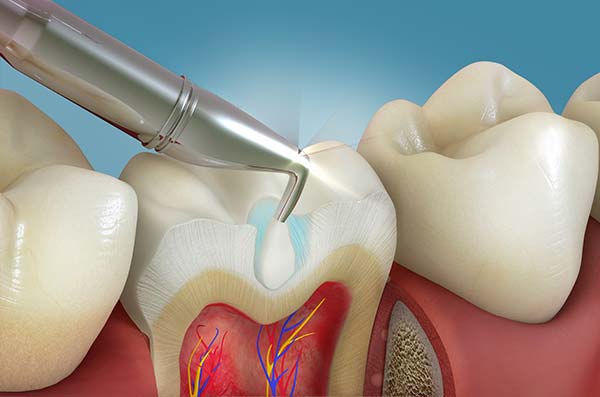
Certain defects around teeth may be candidates for procedures designed to rebuild some of the lost supporting structures.

Localized infection may require drainage, debridement, medication, or other urgent care depending on the situation.

Lasers may be used in selected periodontal procedures, but they are a tool rather than a substitute for an accurate diagnosis and complete periodontal treatment plan.
For severe or complex disease, Riverside may recommend evaluation by a gum specialist for surgical or advanced periodontal care.
What Happens If Periodontal Disease Is Not Treated?
The earlier periodontal disease is identified and managed, the more tooth support there is left to protect.
Gum Disease and Your Overall Health
It is important not to overstate that relationship: an association does not mean gum disease directly causes every systemic condition. What is clear is that controlling chronic inflammation and maintaining oral health is an important part of caring for your overall health, especially if you already have conditions such as diabetes.
Dry Mouth, Southern Utah, and Gum Health
Dry mouth may be related to dehydration, medications, health conditions, mouth breathing, tobacco use, or other factors. If your mouth regularly feels dry, tell us. Managing the cause and improving moisture can make daily plaque control more comfortable and effective.
Water, appropriate saliva-support products, regular brushing and interdental cleaning, and professional dental care can all play a role in protecting gum health in Southern Utah’s dry environment.
Common Questions
Periodontal Disease FAQs

Does Dental Insurance Cover Periodontal Treatment?
Some plans limit the number or frequency of periodontal services, require specific pocket depths or bone-loss documentation, or provide less coverage than the treatment your dentist recommends.
Riverside can help verify available benefits and provide an estimate before treatment. Insurance is useful, but the treatment plan should still be based on what is needed to protect your teeth and gums.
Insurance benefits verified when possible
Written treatment estimates before care
Financing options available for eligible treatment
No assumption that insurance coverage equals the ideal clinical treatment
Periodontal Care at Riverside Dental Care
Our dentists and hygienists routinely evaluate periodontal pocket depths, bleeding, recession, tooth mobility, and bone levels. When treatment can be managed in our general practice, we provide that care and ongoing maintenance. When a case would benefit from specialty treatment, we can refer to a periodontist.
Riverside Dental Care serves St. George, Washington Fields, and surrounding Southern Utah communities from two convenient locations.
About Us
Trusted by St. George Families for Generations
" If you're dealing with a toothache, a broken or knocked-out tooth, swelling, or another urgent dental problem, call us right away and we'll help you figure out the next step. With extended weekday hours and two locations across the St. George area, Riverside Dental Care is built to help quickly when it matters most. "— Longtime St. George Patient
" #2 If you're dealing with a toothache, a broken or knocked-out tooth, swelling, or another urgent dental problem, call us right away and we'll help you figure out the next step. With extended weekday hours and two locations across the St. George area, Riverside Dental Care is built to help quickly when it matters most. "— Longtime St. George Patient
" #3 If you're dealing with a toothache, a broken or knocked-out tooth, swelling, or another urgent dental problem, call us right away and we'll help you figure out the next step. With extended weekday hours and two locations across the St. George area, Riverside Dental Care is built to help quickly when it matters most. "— Longtime St. George Patient
" #4 If you're dealing with a toothache, a broken or knocked-out tooth, swelling, or another urgent dental problem, call us right away and we'll help you figure out the next step. With extended weekday hours and two locations across the St. George area, Riverside Dental Care is built to help quickly when it matters most. "— Longtime St. George Patient
Our Locations
Two Convenient St. George-Area Locations
Hours

Hours
Bleeding Gums Are Worth Checking
